Finishing Campus2Market Discover: What Seven Weeks of Entrepreneurship Training Taught Me
I completed Dal Innovates' seven-week Campus2Market Discover program. Four lessons: fall in love with the problem, how to run customer interviews, the constraints hiding in a business model, and why pitching forces clarity. Plus SweetValueLab, which I refined along the way.
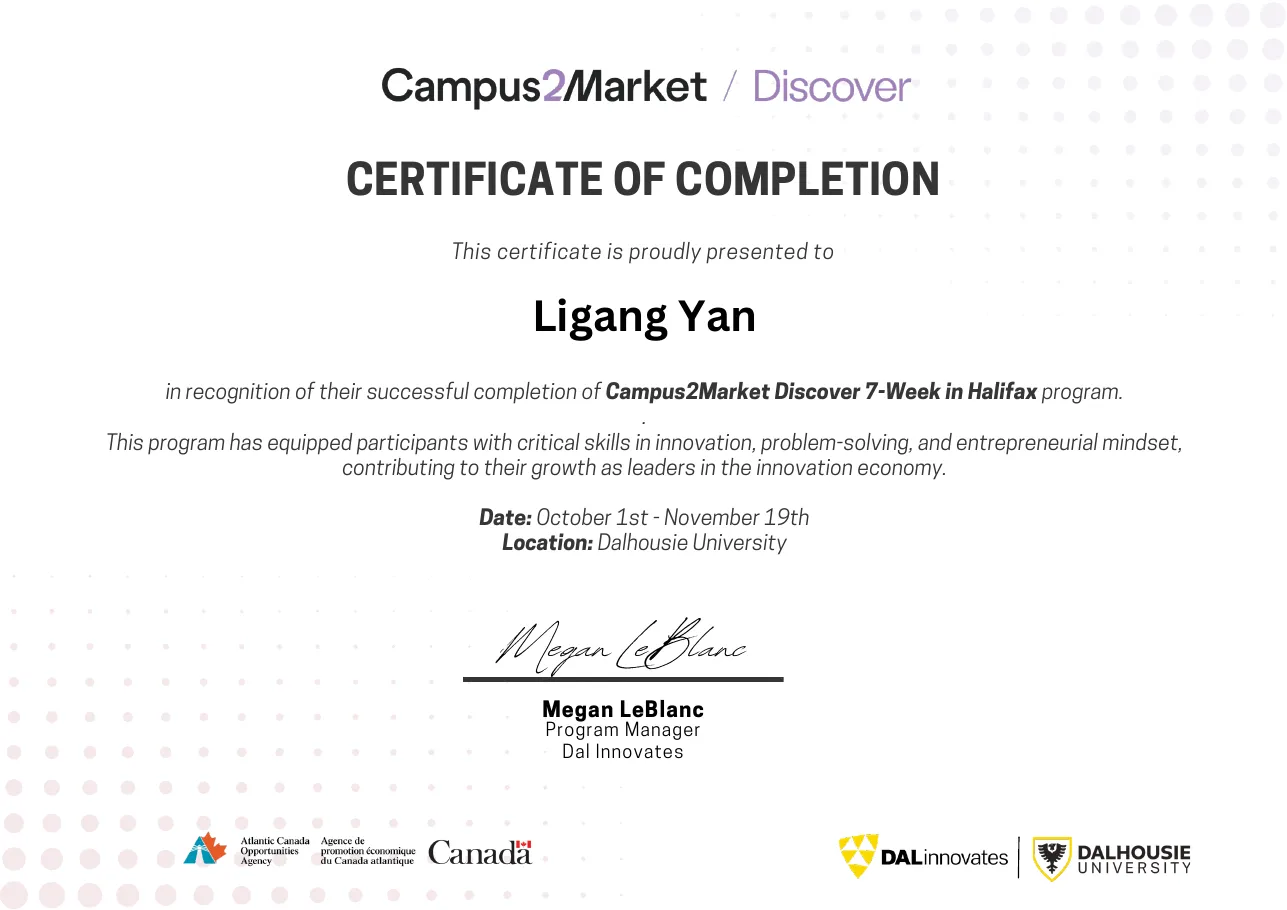
Last week I finished Campus2Market Discover, a seven-week program run by Dal Innovates at Dalhousie University (October 1 – November 19), and received my certificate of completion.
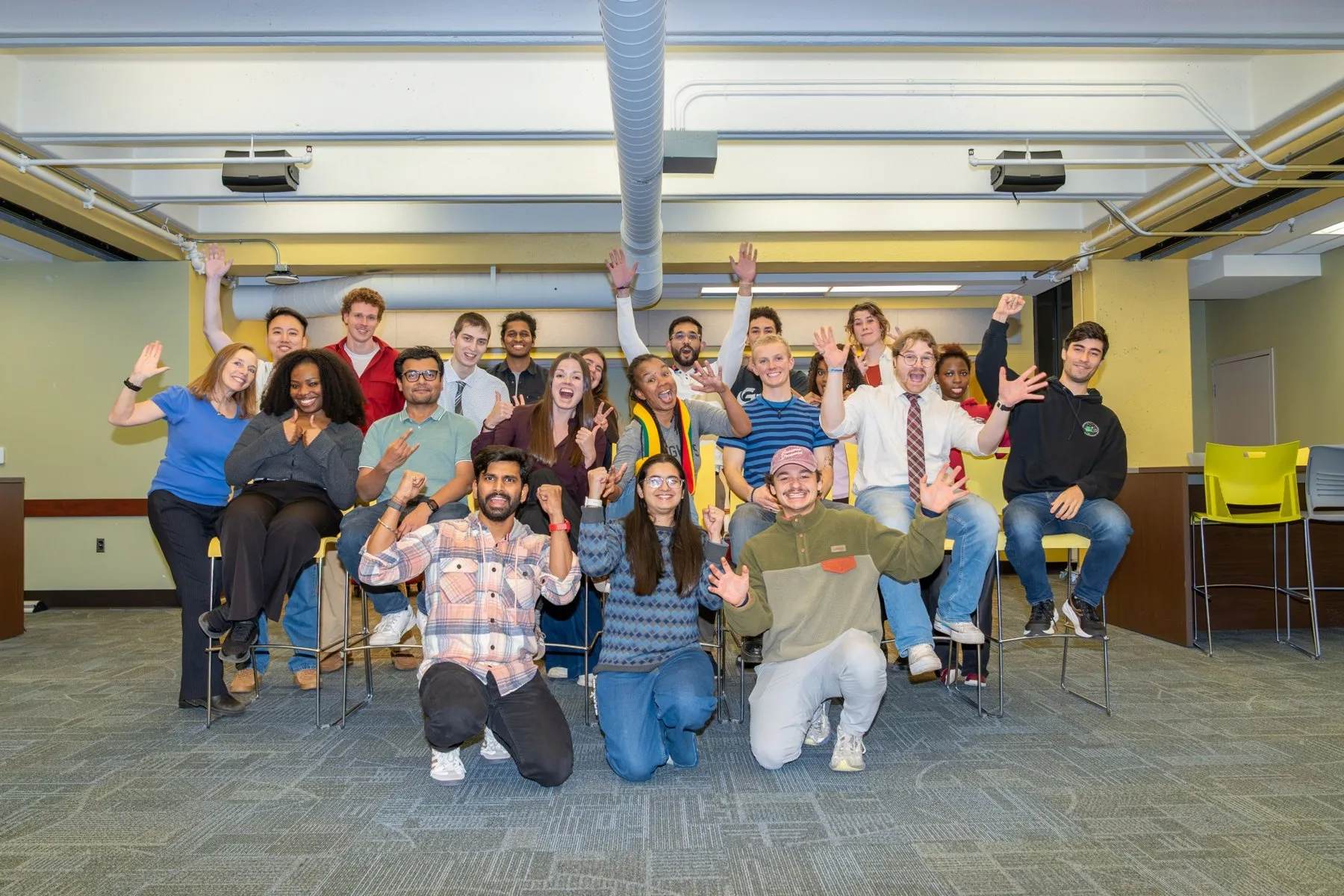
What the program is
Campus2Market Discover is Dal Innovates’ entry-level entrepreneurship program for students. It’s free, meets in person once a week, and takes you through one full cycle in seven weeks:
- Find a real problem: not “what do I want to build” but “who is struggling with what”
- Understand the customer: talk to real people and check that the problem actually exists
- Design a business model: who pays, why they pay, and where the costs are
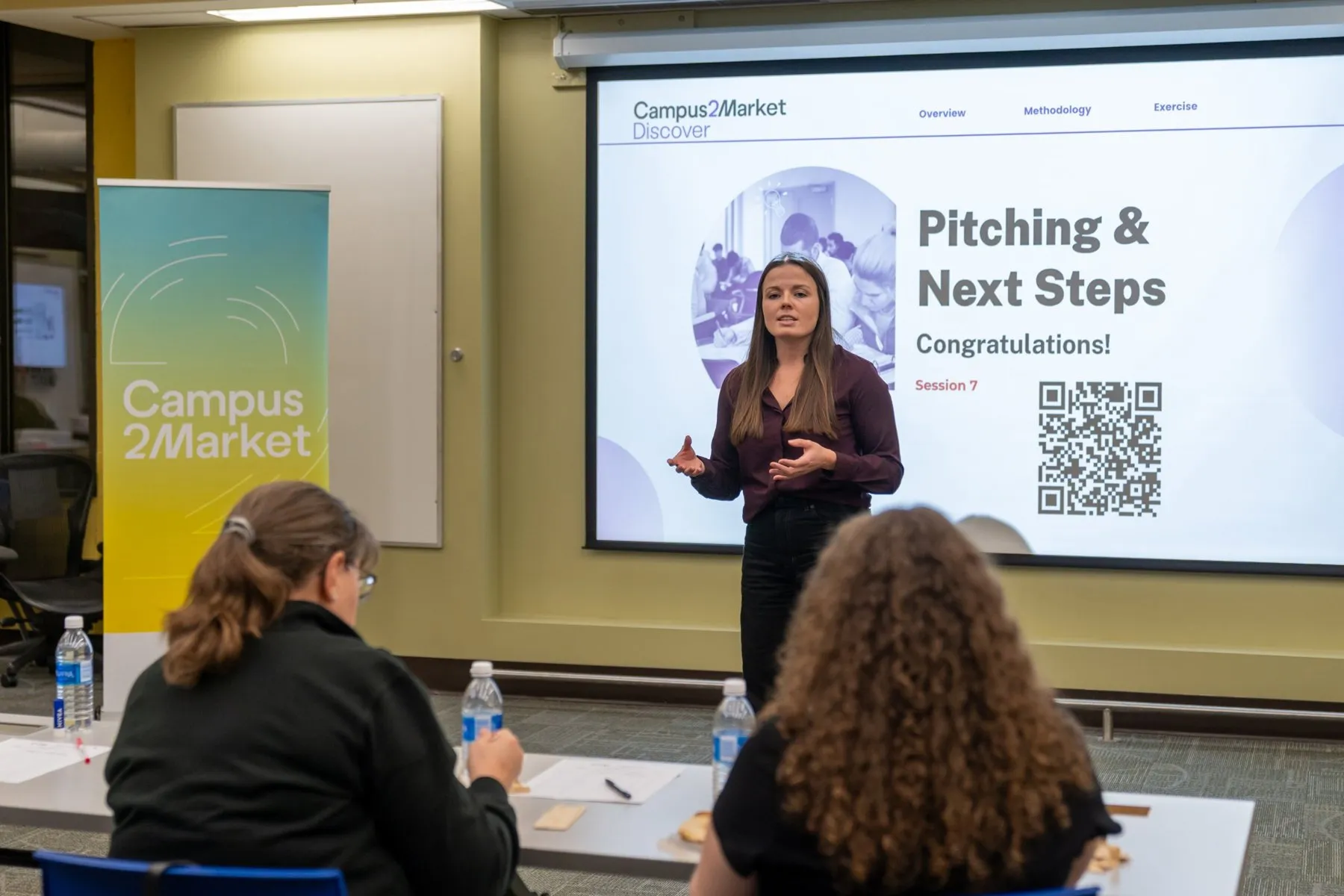
- Pitch: explain the idea clearly in a few minutes in the final session
I’m an NSCC student, and I took the program alongside Dal students with backgrounds ranging from engineering and business to the arts.
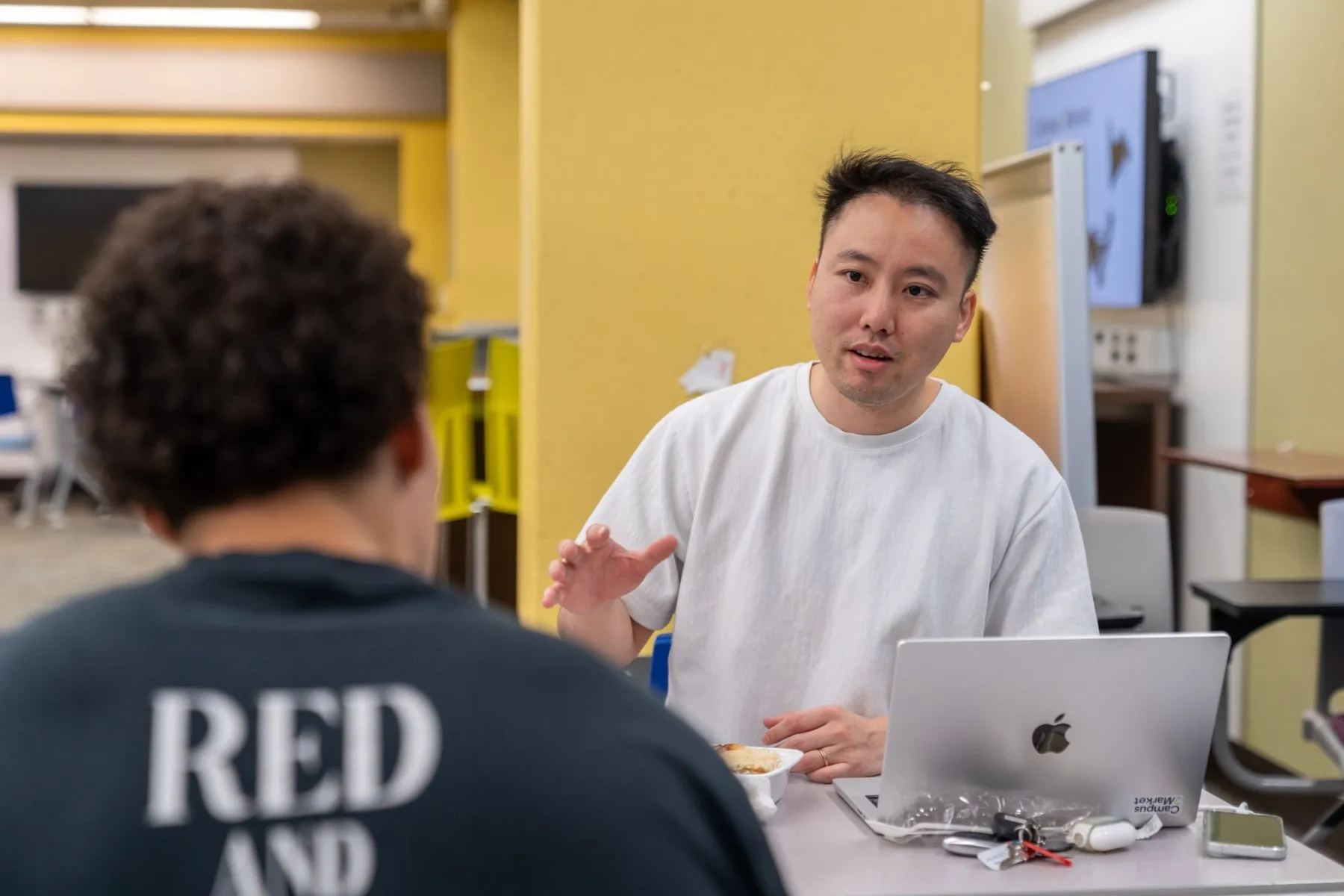
What I took away
1. Fall in love with the problem, not the solution. After years as an engineer, my habit is to start coding the moment I have an idea. I’ve built a few software tools and SaaS sites on my own, and none of them took off. Looking back, the issue was the order: I had a solution first and went looking for users afterwards. The program kept pushing to reverse that order.
2. Customer interviews are harder than they look, and more useful. Asking “would you use this?” gets you almost nothing, because people are polite. What’s valuable is asking how they actually handled the problem in the past, and how much time and money it cost them.
3. A business model hides constraints that are easy to miss. Some ideas work technically but fall apart on compliance, distribution, or customer acquisition cost. The earlier you find out, the cheaper it is.
4. Pitching forces you to think clearly. If you can’t explain an idea in a few minutes, you probably haven’t figured it out yet.
Building while learning: SweetValueLab
Over the seven weeks, I kept building and refining my own project, SweetValueLab, a free US stock research and rating site.
Every stock gets two ratings, a short-term trading signal and a long-term signal, each graded from S to D. Both come from quantitative valuation models that draw on what I’ve been learning in NSCC’s IT Programming for AI program.
After each session I came back to the same questions: who are the users, really? How do they do their research today? Which features do they actually need, and which ones just seem cool to me? A lot of features were added, changed, or cut through that process.
What’s next
The biggest thing I’m taking away is a method I can keep reusing: validate the problem first, then build. I’ll keep applying it to SweetValueLab and a few other AI projects.
If you’re a student in Halifax and curious about entrepreneurship, the next Campus2Market Discover cohort starts January 27, and applications are open: https://campus2market.ca/discover
Thanks to the Dal Innovates team and everyone in this cohort.